Your Brain on Smoke
From a breath of smoke to the brain
What researchers are investigating — step by step, with the uncertainty left in.
Bilingual blurb by Samarth Yandhe
Wildfires and Brain Health
Research is increasingly investigating how wildfire smoke may affect the brain. Fine particles from wildfire smoke may contribute to processes such as inflammation and oxidative stress, which are important pathways being studied in relation to neurological health. Research has also identified possible connections with cognitive and neurological effects, although more research is needed to fully understand these relationships. (White, 2024)Interactive
The journey
1. Inhalation
Smoke is breathed in through the nose and mouth. The smallest particles, PM2.5, are not stopped well by the body's upper-airway defences.
Explore
Brain regions and what they do
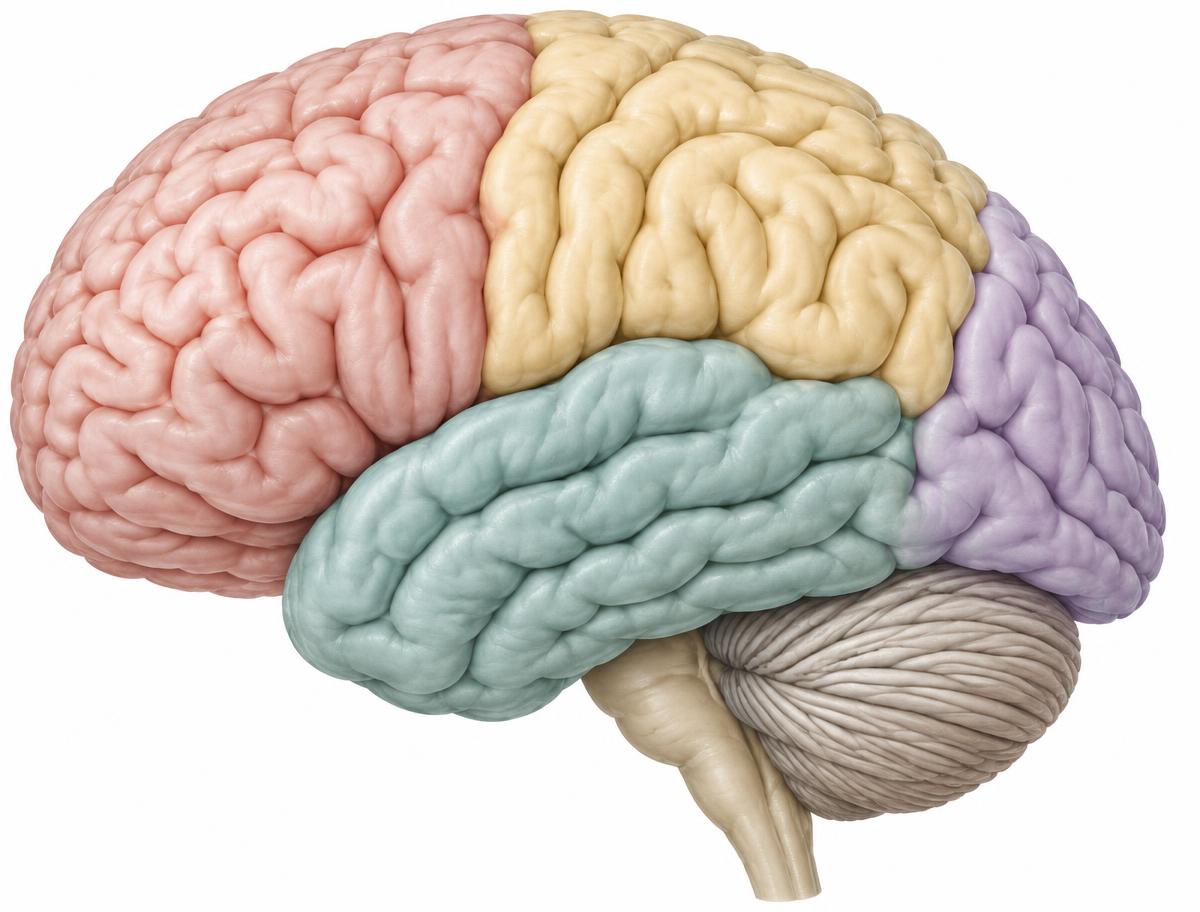
Normal function
Frontal lobe
Planning, decision-making, attention, emotional regulation and movement.
This map shows what each region normally does. It does not mean wildfire smoke directly injures any particular region.
Evidence
Reading the research carefully
What We Know
- • Wildfire smoke contains PM2.5 that can reach deep into the lungs.
- • PM2.5 is associated with increased respiratory and cardiovascular health risks.
What Research Suggests
- • Inflammation and oxidative stress are important pathways studied in relation to neurological health.
- • Possible connections with cognitive and neurological effects have been identified.
What Remains Uncertain
- • How much wildfire smoke, over how long, affects the brain.
- • Whether observed associations are causal, and who is most affected.
- • How wildfire smoke differs from other air pollution in its brain effects.